
Setting Stone That Lasts Generations
Natural stone tile installation using marble, granite, slate, and quartz in Lebanon
Natural stone adds weight, texture, and color variation that manufactured materials cannot replicate, and it works especially well in bathrooms, kitchens, and feature walls where you want a high-end finish. If you are building or renovating a home in Lebanon, stone tile offers durability that holds up under foot traffic and moisture while adding value to the property.
Milanese Tile and Stone LLC installs marble, granite, slate, and quartz tile with attention to precision cutting, leveling, and sealing, which are all necessary to prevent staining and cracking. The process includes selecting stone that matches your design goals and handling the material carefully during transport and installation, since some types of stone are brittle or heavy. This service is available for both residential and commercial properties in Lebanon and nearby areas.
If you want to explore stone options for a specific room or feature, contact Milanese Tile and Stone LLC to review materials and layout.
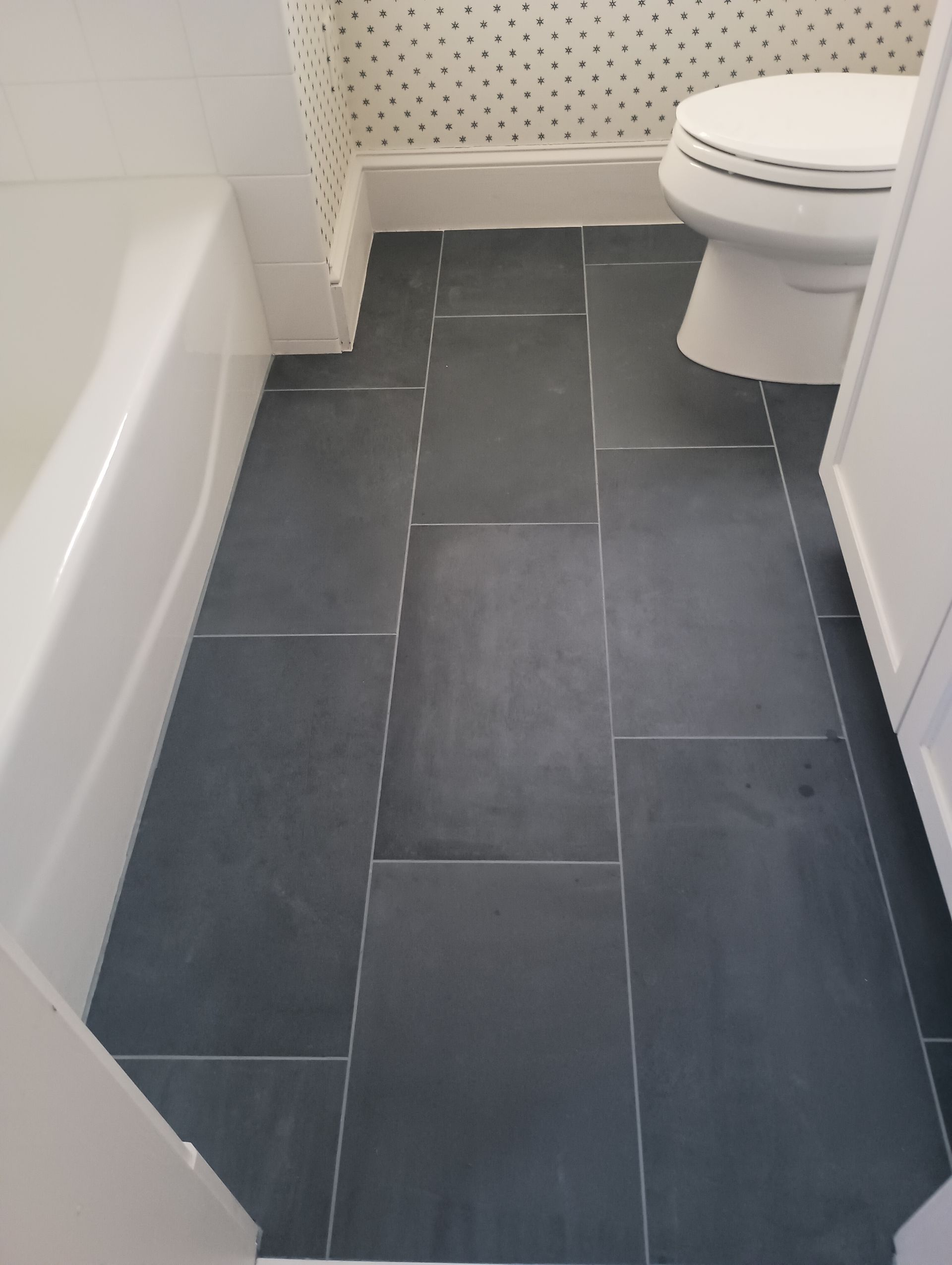
How natural stone is installed and sealed
The installation begins with substrate inspection and reinforcement if needed, since stone is heavier than ceramic or porcelain and requires a solid base. In Lebanon, where older homes may have floor joists that need reinforcement, this step prevents sagging or tile failure. Stone is then cut to size using wet saws, set with thin-set mortar, and leveled to avoid lippage between tiles.
After the stone is set and the grout cures, a penetrating sealer is applied to protect against water and stains. You will notice that liquids bead up on the surface instead of soaking in, and the stone develops a slight sheen that highlights its natural color and veining. The sealed surface wipes clean easily and resists damage from daily use.
The service includes handling for delicate materials like marble and heavy slabs like granite, along with grout color selection to complement the stone. It does not include countertop fabrication or cabinet removal, though coordination with other trades can be arranged if your project involves structural or fixture changes.
Common concerns before installing stone
Homeowners in Lebanon often ask about the differences between stone types, how much maintenance is required, and whether their floors can support the added weight.
If you are planning a natural stone tile project in Lebanon and want to confirm material selection or floor capacity, get in touch with Milanese Tile and Stone LLC to review your space and discuss installation details.